- 01. The advantages you actually have
- 02. Design priorities for a 10×10
- 03. What to spend on (and skip) at this size
- 04. Staffing a 10×10
- 05. Examples of 10×10s that win
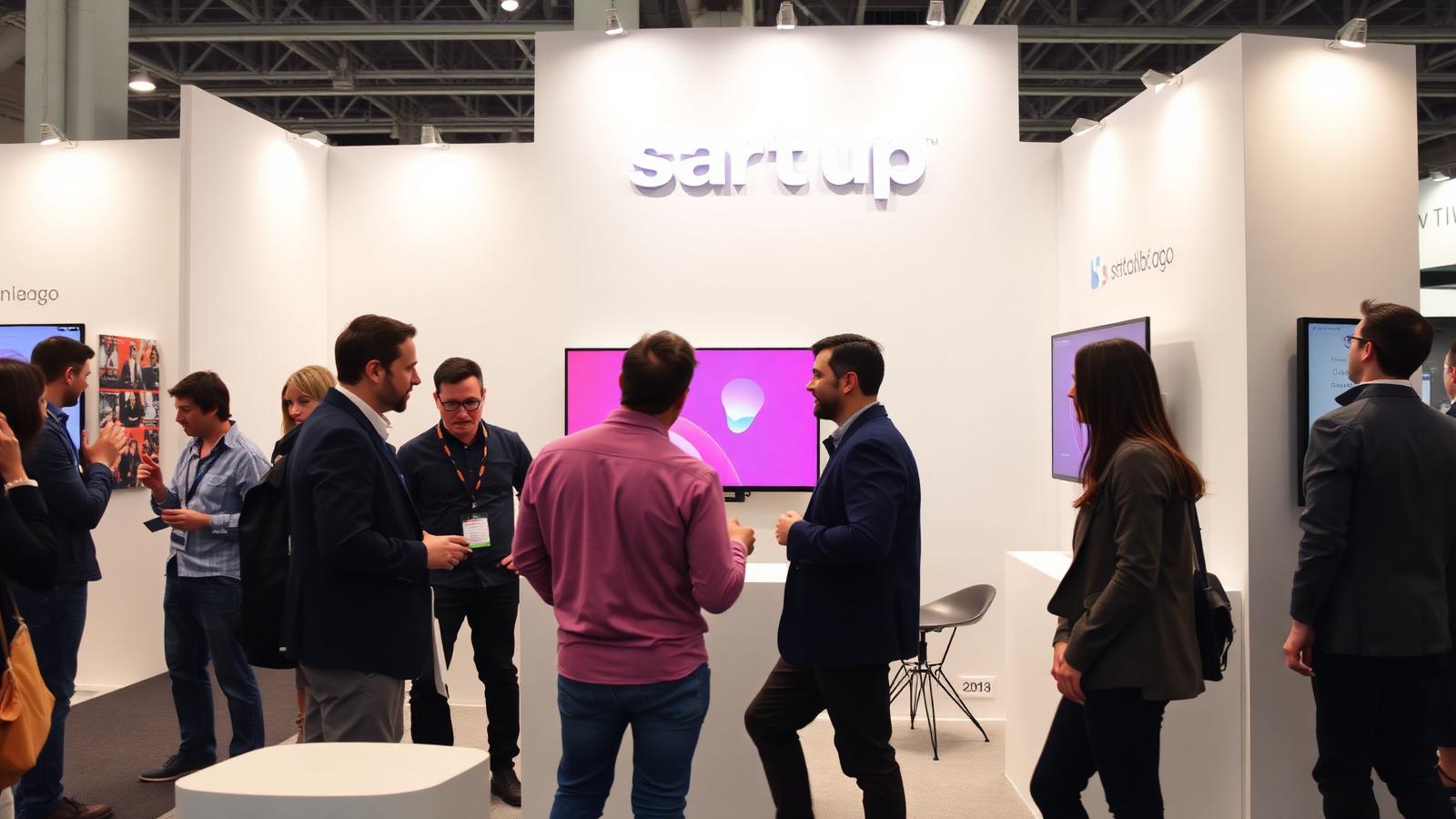
Most first- and second-time exhibitors assume bigger = better. It's not true. Some of the highest-ROI booths we see every year are 10×10s run by sharp teams with a clear plan. The advantages of a small booth are real: lower cost, easier logistics, forced clarity. Here's how to maximize them.
The advantages you actually have
- Forced focus — A 10×10 can't show 12 products. You'll pick the one that matters and pitch it well.
- Approachability — Small booths feel less intimidating to walk into than large branded fortresses.
- Lower stakes — Easier to experiment, test messaging, and iterate next show.
- Better margins — A smaller booth budget means a single qualified deal can pay for the whole show many times over.
Design priorities for a 10×10
One headline. One product or demo. One call to action. That's it. The single biggest mistake small booths make is trying to look like a small version of a big booth — three product zones, six brand pillars, a tiny meeting area. It reads as cluttered and confused. Pick one thing and design the entire booth around it.
Use vertical space aggressively. Most show kits cap at 8 feet but you can usually go to 10–12 feet on the back wall (check show rules for height limits). A tall back wall with a clear, readable headline visible from 30+ feet away is your single best investment.
What to spend on (and skip) at this size
- Spend on: lighting (always), one great backwall graphic, a quality monitor for demo, comfortable shoes for staff
- Spend on: pre-show marketing — a modest outreach budget will usually outperform an equivalent dollar spent on booth upgrades
- Skip: meeting room (you don't have space), elaborate furniture, multiple monitors, fancy flooring (a clean rented carpet is fine), giveaways most people throw away
- Maybe: a small counter or podium for laptops/iPads — useful, but not a status symbol
Tell us about your event, budget, and timeline. We'll line up vetted booth builders that fit — usually within 48 hours, no commitment.
Get matched with buildersStaffing a 10×10
Two people on the floor at all times, rotating. Three total per shift if you want one person on bathroom/coffee breaks without leaving the booth thin. A 10×10 with one bored person on a phone screams 'don't approach.' A 10×10 with two engaged people in conversation looks busy and successful even when it's not.
Skip the suits unless your industry requires it. Branded polos or quality button-downs read as professional and approachable in most B2B contexts.
Examples of 10×10s that win
"We did our first show in a modest 10×10 with one demo screen and a counter. We booked 22 qualified meetings — 16 of them pre-show. Closed two enterprise deals in the next 90 days. Everyone walking by assumed we were a much bigger company because we acted like one."
The pattern in winning small booths is always the same: clear headline, one demo, two engaged staff, full pre-show calendar. The booth is the stage — the work happens before and during the conversation, not in the construction.
- Small booth advantages are real: focus, approachability, better margins
- Pick one product, one headline, one CTA — resist the urge to cram
- Spend on lighting, headline graphic, and pre-show marketing
- Always two engaged people on the floor — never one bored person
- Acting like a bigger company beats trying to look like one
Download the Exhibit Bridge Booth Buyer's Guide
Budgets, timelines, vendor red flags, and the exact questions to ask before signing a booth builder contract.
Ready to find the right booth builder?
Skip the cold-calling. Tell us about your show, your booth size, and your budget — we'll send a short list of builders worth your time.
Part of the Exhibit Bridge editorial team — ex-exhibitors, marketers, and builders writing the guides we wish we'd had when we were on the show floor.
Zoom out to the full playbook
This article is part of a deeper hub — the pillar page collects every related guide on the topic.
Plan around your show, city, and industry
Use these directories to pressure-test the guide against your specific show, venue, and vertical.
Keep reading
What drayage actually is, how it's calculated, and the practical strategies for cutting your material-handling bill.
A size-by-size breakdown of real booth costs — rental and custom — plus the line items most quotes quietly leave out.
Drayage, rigging, electrical, internet, lead retrieval, and the other line items that quietly add 30–50% to a booth quote.